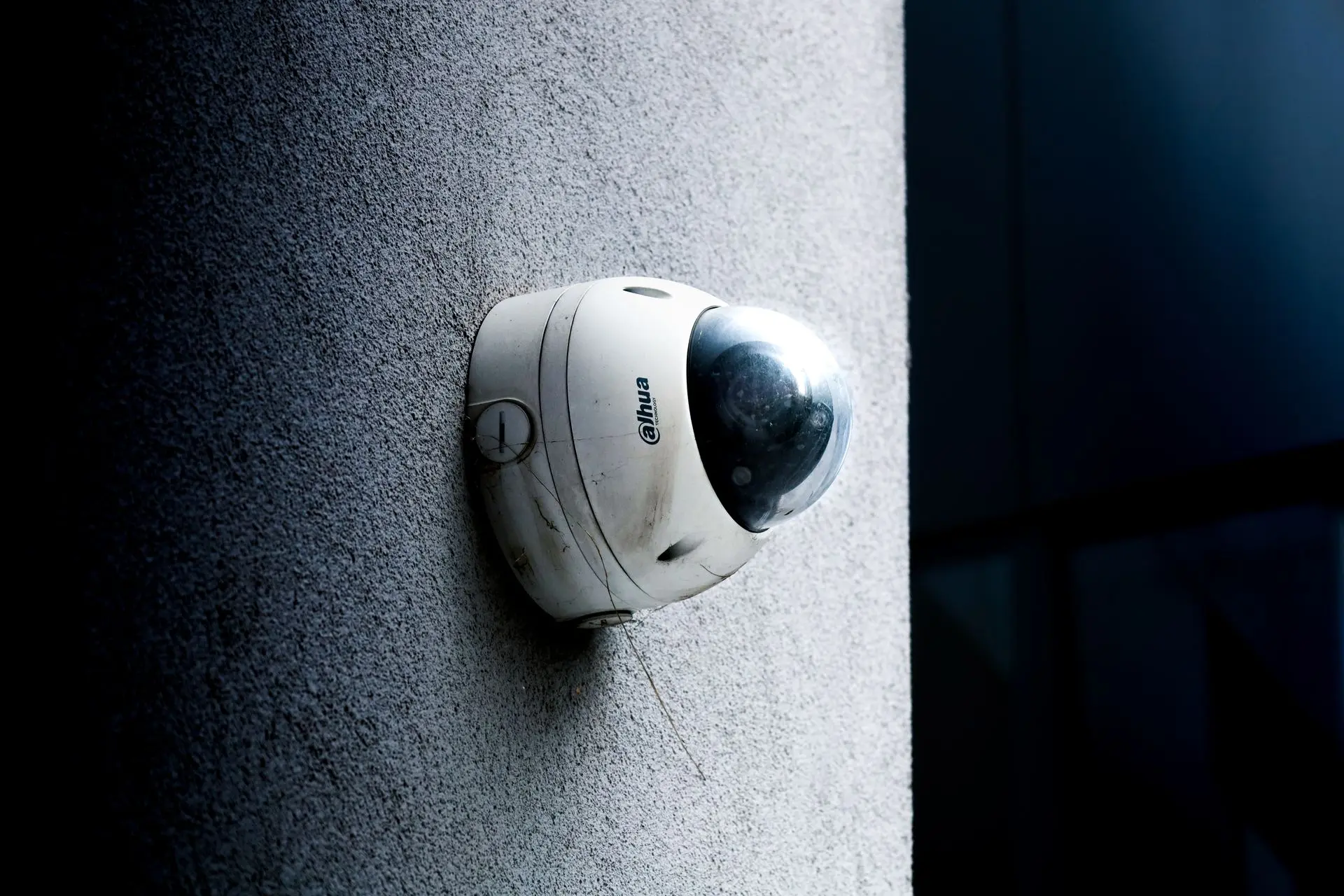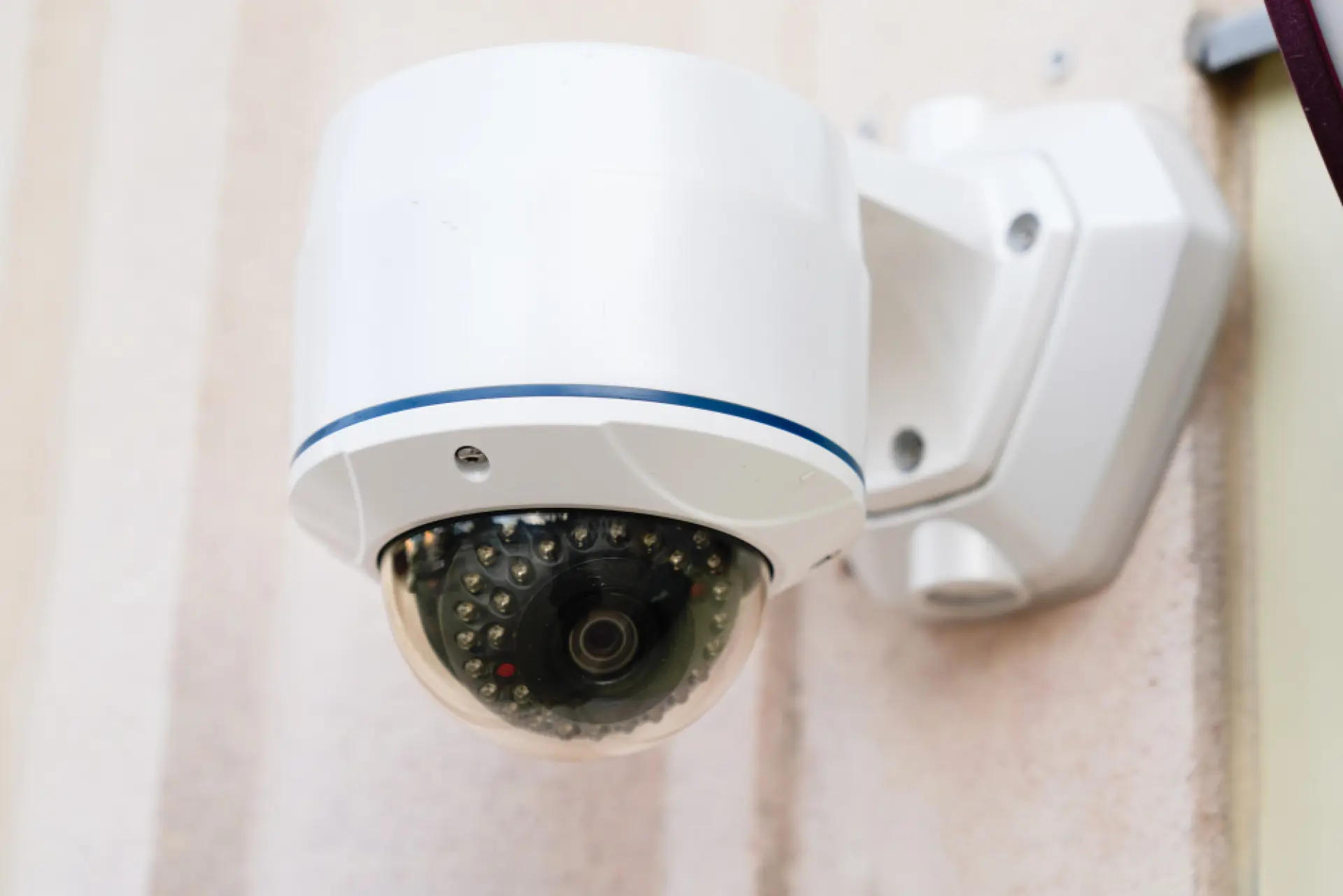
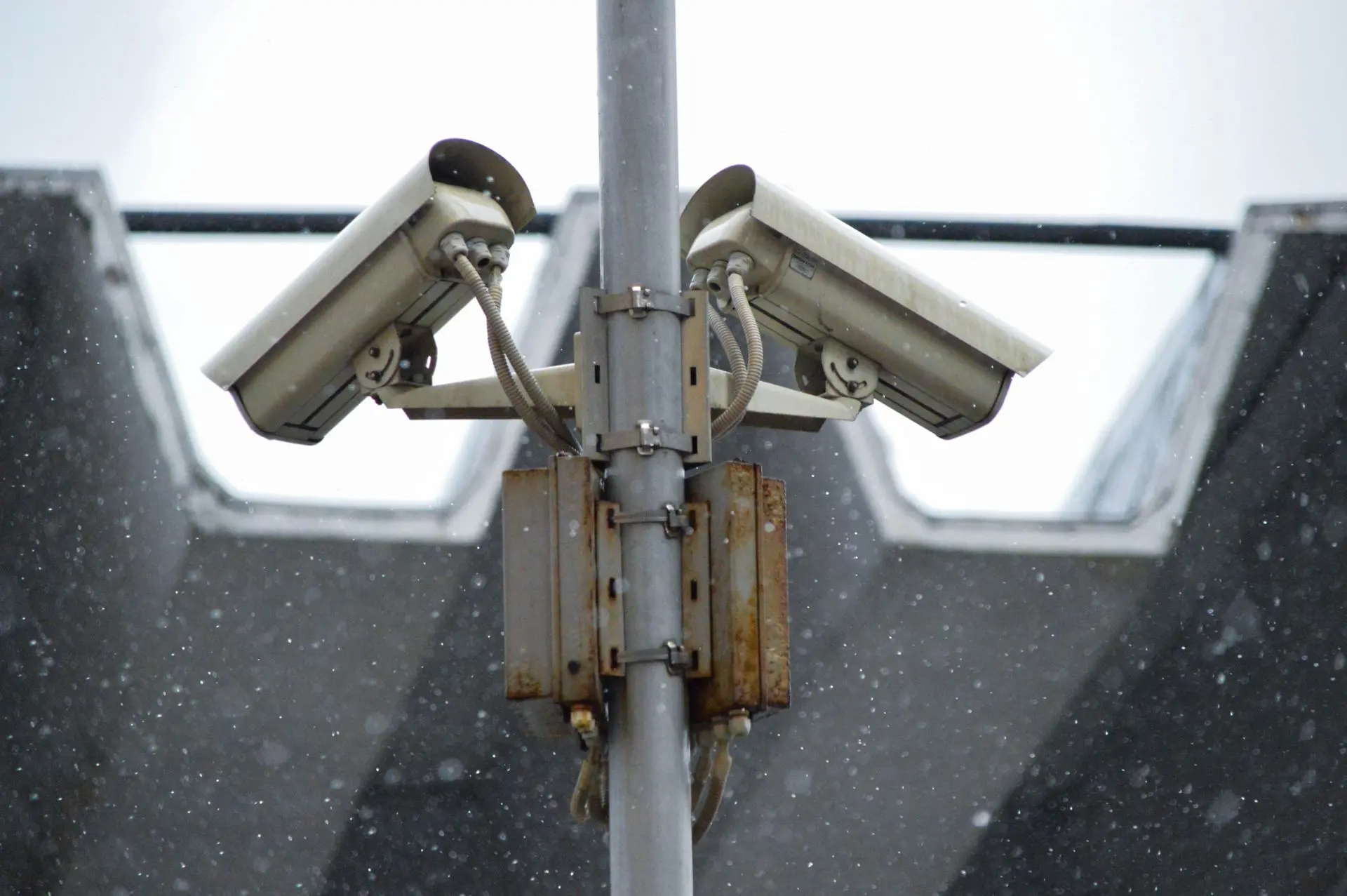
Discover why commercial properties need reliable CCTV to enhance security, deter theft, monitor key areas and protect staff and visitors effectively.
What Is Commercial CCTV?
Commercial CCTV is a camera system used to monitor and record activity at business premises. It can be installed in offices, shops, warehouses, restaurants, hotels and many other types of commercial property. Cameras may cover entrances, working areas, storage rooms, corridors, outdoor spaces and other locations where security or safety is important.
A commercial system is usually planned around the needs of the property. A small office may require only a few cameras around entrances and shared areas. A larger building may need many cameras covering several floors, access points and external areas. The aim is to create useful coverage without recording areas where there is no clear reason to do so.
CCTV can be used for both live monitoring and recorded evidence. Staff may watch selected cameras in real time, while recordings can be stored for later review. Some systems also allow authorised users to view footage remotely. This can help managers or security staff understand what is happening when they are away from the premises.
A reliable commercial CCTV system should support the wider security arrangements of the business. It may work alongside alarms, lighting, secure doors, access controls and staff procedures. Cameras cannot prevent every incident, but they can increase awareness, discourage unwanted behaviour and provide useful information when something happens. Careful planning is essential if the system is to provide practical value.
Protecting Staff, Customers and Visitors
Businesses have a responsibility to provide a safe environment for people who work at or visit their premises. CCTV can support this by helping security teams and managers monitor areas where problems may occur. Entrances, reception areas, corridors and public spaces are often important because they are used by many different people throughout the day.
Cameras can help staff identify unusual or concerning behaviour before a situation becomes more serious. If a disagreement occurs in a public area, for example, someone monitoring the cameras may be able to see what is happening and arrange suitable support. CCTV can also help managers understand events after an accident or complaint.
Employees may feel more secure when they know that important areas of the building are being monitored. This can be especially valuable for people who work alone, work late or deal directly with members of the public. However, cameras should be used carefully and should not create the feeling that staff are being watched without a clear reason.
Visitors and customers can also benefit from well-planned security. A visible system can show that the organisation takes safety seriously. The aim should be to support a safe environment without making the property feel unwelcoming. Clear policies, suitable camera locations and responsible access to footage help create a balance between security and personal privacy.
Preventing Theft, Vandalism and Unauthorised Access
Theft and damage can create significant costs for a business. Stock, equipment, tools and personal belongings may all be targets. Visible CCTV cameras can act as a warning by making it clear that activity around important areas may be recorded. This can discourage some people from attempting theft or deliberate damage.
Cameras are particularly useful around entrances, storage spaces, delivery points and areas containing valuable goods. They can help show who entered an area, when they were present and what happened while they were there. When combined with secure doors and suitable access controls, CCTV can provide another layer of protection.
Unauthorised access is also a concern for many commercial properties. Visitors may enter staff-only areas by mistake, while others may enter deliberately.
Cameras can help security staff identify people who are in the wrong place and respond quickly. Recordings can also support an investigation if access rules appear to have been ignored.
Good coverage should be based on risk. It is rarely necessary or sensible to place cameras everywhere. Instead, businesses should identify where valuable items are kept, where people enter the building and where access is limited.
Focusing on these areas helps make the system more useful while reducing unnecessary recording. Security works best when cameras support clear procedures rather than being treated as the only form of protection.
Monitoring Key Areas of the Property
Every commercial property contains areas that are more important to monitor than others. Entrances and exits are often a priority because nearly everyone entering or leaving the building passes through them. Clear camera views can help establish who was on the premises and when they arrived or left.
Reception areas, corridors, stairways and shared spaces may also require coverage. These areas can provide a useful picture of movement through the building. However, camera placement should be planned carefully so that it serves a clear purpose. Simply installing cameras wherever there is an available wall can result in wasted equipment and poor-quality coverage.
Stockrooms, cash-handling points, equipment rooms and other sensitive locations may require closer monitoring. The camera position should capture activity that is relevant to the risk. For example, a wide view of a storage area can show general movement, while a more focused camera near an access point may provide clearer detail of people entering.
External areas should be included in the assessment as well. Front entrances, service doors, yards, loading areas and boundary gates can all be important. A complete plan should consider how people and vehicles move through the property from outside to inside. This creates a connected view of the premises and reduces the chance that important events disappear between separate camera areas.
Supporting Health and Safety
CCTV can help businesses understand health and safety incidents by providing a clear record of what happened. If someone slips, falls or is injured while moving through a property, footage may help show the conditions at the time. This can support a fair review of the incident and help identify whether changes are needed.
Recordings can also reveal repeated hazards that may otherwise be missed. For example, a delivery route may regularly become blocked, or a busy doorway may create a risk of people colliding. Reviewing activity can help managers understand patterns and improve the way the area is organised.
In some workplaces, cameras can provide an additional view of higher-risk areas where machinery, vehicles or goods are moving. They should not replace proper supervision, training or safety systems. Instead, CCTV can provide supporting information that helps a business check whether its procedures are working as intended.
Care should be taken when using footage for health and safety purposes. Staff should understand why cameras are present and how recordings may be used. Access should be limited to authorised people. CCTV works best when it supports open safety procedures and is used to understand incidents and improve conditions rather than simply to look for someone to blame.
Providing Evidence After an Incident
One of the most valuable functions of commercial CCTV is providing a record after an incident. Theft, damage, disputes, accidents and unauthorised entry can all be difficult to understand when people give different accounts. Video footage may provide an independent view of the time, location and sequence of events.
Useful evidence depends on good image quality and suitable camera positions. A recording that shows only the back of a person from a long distance may provide limited help. Cameras covering important areas should therefore be positioned to capture enough detail to make the recording meaningful.
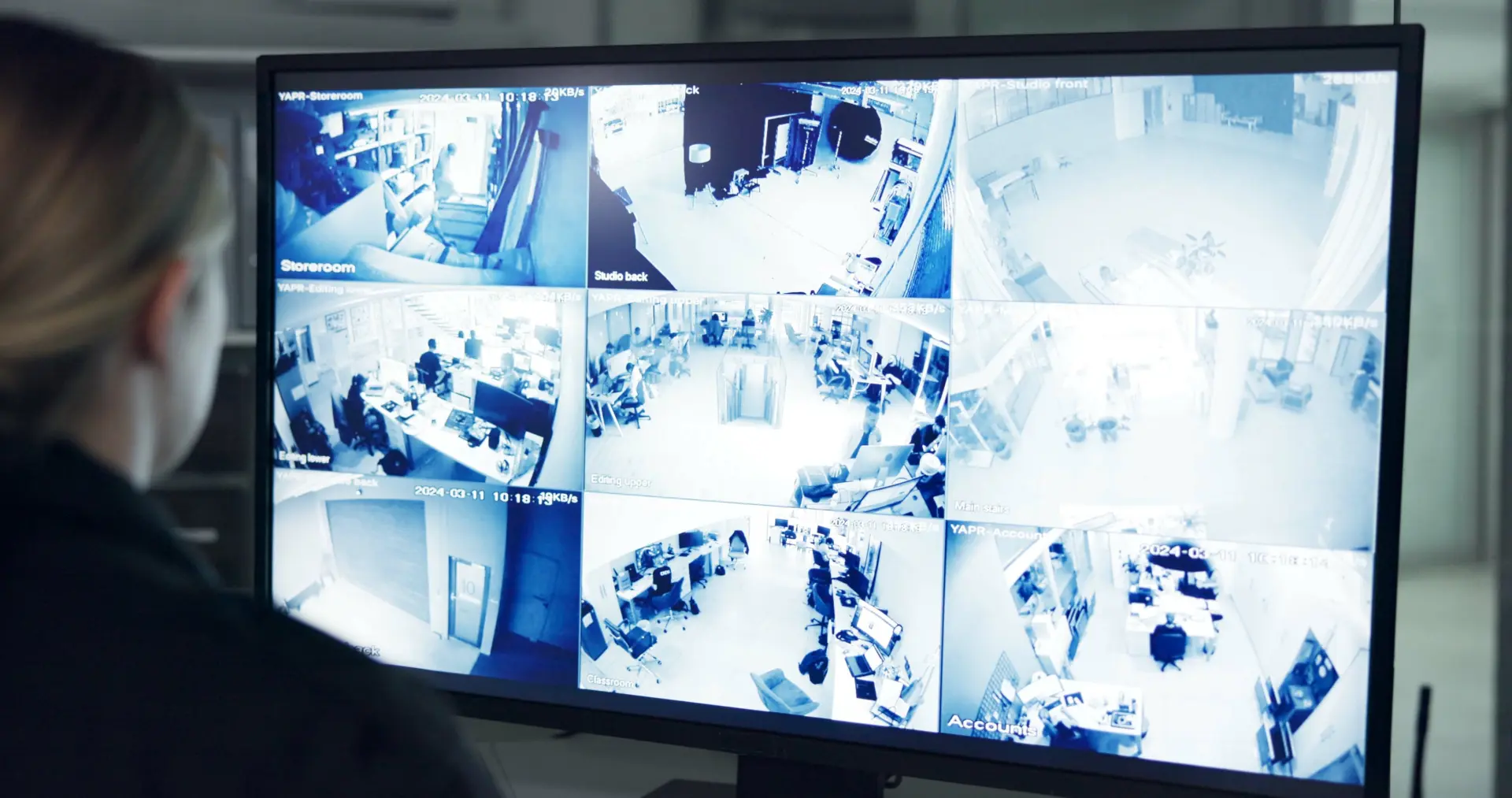
Businesses should also make sure that recordings can be found and saved easily. If an incident happens, authorised staff may need to locate footage from a particular date and time without searching through hours of unrelated recordings. A clear system for finding, exporting and protecting important clips can save time during an investigation.
Recordings should be handled carefully once they are identified as evidence. Copies may need to be stored securely and shared with the police, an insurer or another authorised organisation. Maintaining clear control over who accesses footage helps protect its reliability and privacy. A well-managed CCTV system provides far more value after an incident than one where recordings exist but cannot be located or exported properly.
Improving Security Outside Business Hours
Commercial properties can become more vulnerable when staff and customers have left for the day. Empty buildings may contain stock, equipment, documents and other valuable items, making them attractive targets. CCTV provides a way to continue monitoring key areas when no employees are physically present.
External cameras can cover doors, windows, yards, gates and other routes towards the building. Internal cameras may monitor entrances, reception areas, storage spaces and important corridors. If movement is detected when the building should be empty, the system may record the event and, depending on its features, send an alert.
Remote access can make this protection more useful. An authorised person may be able to view a camera after receiving an alert and decide whether further action is required. This can help distinguish between a genuine security concern and harmless activity such as an animal moving near an external camera.
CCTV should work alongside other security measures outside working hours. Alarms, strong locks, suitable lighting and secure boundaries remain important. Cameras can add visual information to these systems and provide evidence if someone enters or damages the premises. Businesses should regularly test that night-time recording, alerts and storage continue to work correctly rather than assuming the system is functioning simply because cameras are visible.
Reducing Risks in Car Parks and Loading Areas
Car parks and loading areas can present several security and safety risks. Vehicles move through them throughout the day, goods may be transferred between buildings and vehicles, and people may enter from public roads. These areas can therefore benefit from carefully planned CCTV coverage.
Cameras can help monitor vehicle entrances, parking areas and pedestrian routes. If a vehicle is damaged or an accident occurs, recordings may help show the direction of travel and what happened beforehand. Clear footage can also help investigate theft from vehicles or damage to property.
Loading areas require particular attention because valuable goods may be exposed while they are being moved. Cameras can record deliveries, collections and activity around storage entrances. This may help a business confirm when goods arrived, identify unexpected access and review disputes about delivery or collection times.
Outdoor conditions can make these areas challenging to monitor. Cameras may need to cover long distances and work in rain, darkness or strong sunlight. Vehicle lights can also affect night images. Choosing suitable equipment and testing the view in different conditions is therefore important. Good coverage should show the parts of the site that matter without relying on one camera to monitor an area that is too large.
Supporting Remote Monitoring
Remote monitoring allows authorised users to view a commercial CCTV system without being physically present at the property. This can be useful for business owners, managers and security teams who are responsible for several locations or who need to check a site outside normal working hours.
Depending on the system, users may be able to view live cameras, check previous recordings and receive alerts on a suitable device. This can provide useful information when an alarm is triggered or when someone reports a problem. Being able to see the area can help the responsible person decide what action is appropriate.
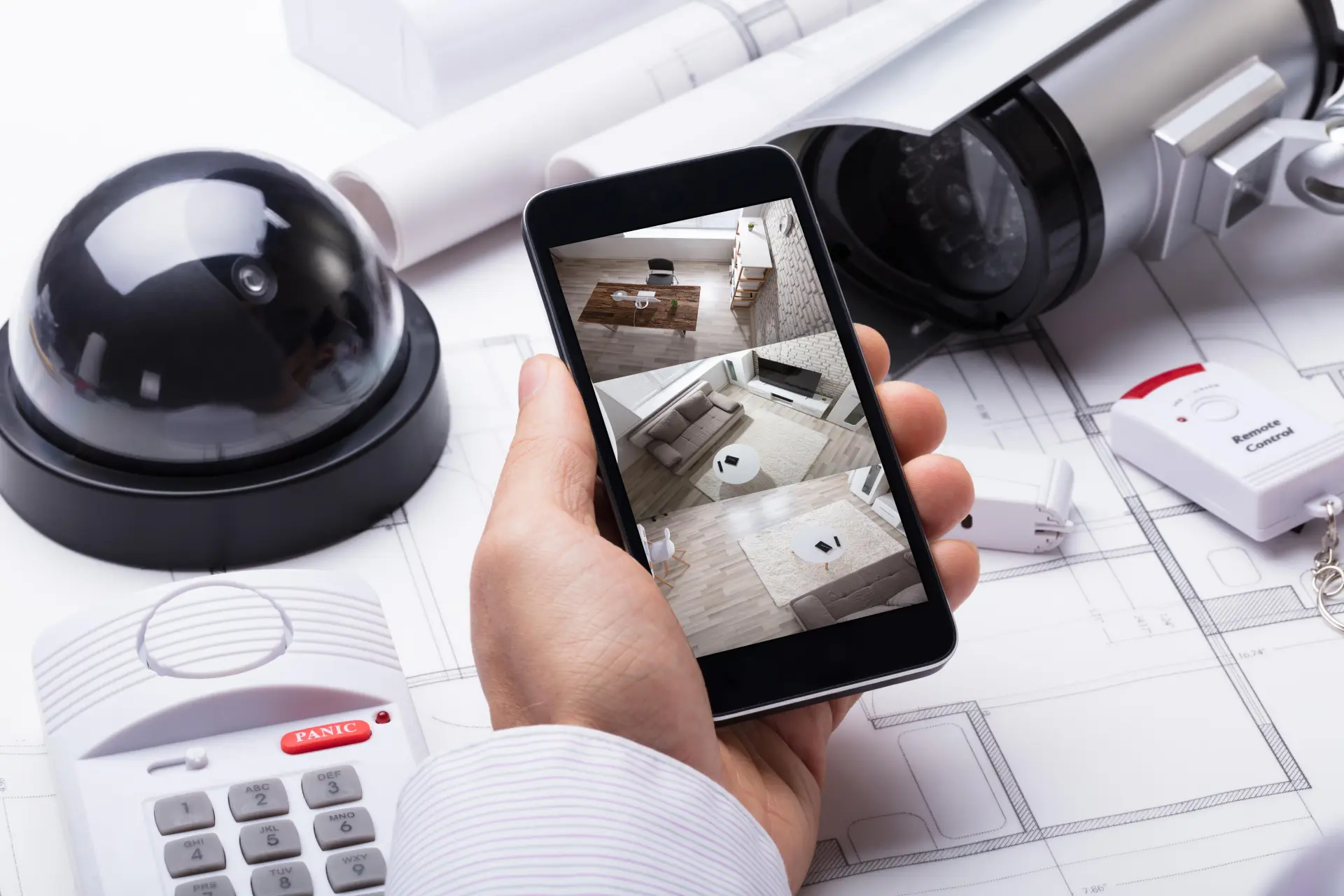
Remote access must be protected carefully. CCTV systems can contain sensitive information about staff, visitors and business activity. Strong account protection should be used, and access should only be given to people who genuinely need it. Accounts belonging to former employees or contractors should be removed promptly when they no longer require access.
The internet connection at the premises also needs to be considered. Poor connection quality can reduce picture quality or delay access. Businesses should understand what happens if the connection becomes unavailable and whether recording continues locally. A reliable system should not stop protecting the property simply because remote viewing is temporarily unavailable. Remote access should add convenience to the system without becoming its single point of dependence.
Choosing the Right Cameras for the Property
Commercial properties often need more than one type of camera because different areas create different challenges. A camera covering a front entrance may need to capture faces clearly at close range, while one overlooking a yard may need to monitor a wider area. Choosing one model for every location can lead to poor results.
Start by assessing what needs to be seen in each area. Consider viewing distance, lighting, whether the space is indoors or outside and the level of detail required. A busy shop floor has different needs from a quiet storage corridor. Matching the camera to the purpose can improve performance and control costs.
Physical design also matters. A visible camera may act as a warning in public or external areas, while a less noticeable design may be preferred inside a professional office. Outdoor cameras need suitable protection from weather and temperature changes. Cameras installed where they could be reached easily may also need stronger protection against accidental or deliberate damage.
Future changes should be considered too. A business may expand, change its layout or increase the number of entrances. Choosing a system that can support additional cameras may make future work easier. The best camera selection is not simply the product with the most features. It is the combination of equipment that provides the right view in every important part of the property.
The Importance of Clear Image Quality
Clear images are essential if CCTV footage is expected to support security or investigations. A camera can record an entire incident and still provide little value if faces, clothing, objects or vehicles cannot be seen clearly. Businesses should therefore think about the level of detail required in each area before selecting equipment.
Image quality depends on several factors. Camera resolution is important, but lighting, lens choice, distance and viewing angle also affect the result. A camera looking across a large space may not provide the same facial detail as one positioned close to an entrance, even if both use similar recording settings.
Lighting can be particularly challenging in commercial properties. Glass entrances may produce bright backgrounds during the day, while poorly lit corridors may create dark images. Outdoor cameras may face headlights, shadows and changing sunlight. Testing cameras under the conditions they will actually experience can reveal problems that are not obvious during installation.
Higher-quality recordings can require more storage, especially where many cameras operate continuously. Businesses should therefore balance image detail with the length of time they need to retain footage. Important areas may justify higher-quality recording than low-risk spaces. A planned approach ensures that useful detail is available where it matters instead of using the same setting everywhere without considering the purpose.
CCTV Storage and Access Options
Commercial CCTV systems can produce large amounts of footage, particularly when many cameras record continuously. Businesses should decide how recordings will be stored before choosing the final system. Storage may be located on equipment at the property, within individual cameras or through a secure online service.
The required capacity depends on the number of cameras, image quality, recording schedule and length of time footage is kept. Continuous high-quality recording will use more space than recording only when movement occurs. Businesses should estimate their needs carefully so that important footage is not replaced sooner than expected.
Access is just as important as capacity. Authorised users should be able to search recordings by camera, date and time without a complicated process. After an incident, footage may need to be found quickly and saved in a format that can be provided to the appropriate organisation. A system that records well but is difficult to search can create unnecessary delays.
Storage should also be protected from unauthorised access, loss and damage. Businesses may choose to keep backup copies of important recordings when an incident occurs. Clear rules should explain who can view, export or delete footage. Managing these permissions carefully helps protect privacy and reduces the risk of recordings being copied or shared without a proper reason.
Meeting Privacy and Legal Duties
Businesses using CCTV need to consider the privacy of employees, customers, visitors and members of the public. Cameras should only be installed where there is a clear and reasonable purpose. The organisation should be able to explain why each monitored area requires CCTV and how the footage supports a legitimate security or safety need.
Camera positions should avoid spaces where people would reasonably expect a high level of privacy. The viewing area should also be limited to what is required. For example, an external camera intended to cover a business entrance should not record neighbouring property unnecessarily if its angle can be adjusted.
Organisations may have duties concerning notices, access to recordings, storage periods and the way footage is shared. The exact requirements depend on location, circumstances and current rules. Businesses should therefore check current guidance from the appropriate authority and seek suitable professional advice where needed rather than relying on old policies or assumptions.
Clear internal procedures are important. Staff should understand who is authorised to use the system, how recordings are protected and what to do when someone asks about CCTV footage. Regular reviews can help confirm that cameras are still necessary and appropriately positioned. Responsible use protects both the organisation and the people who appear in recordings.
Why Professional Installation Matters
Professional installation can help ensure that commercial CCTV provides the coverage a business expects. A qualified installer can assess the layout of the property, identify important areas and recommend suitable camera positions. This planning stage can prevent gaps that only become obvious after an incident.
Cable routes, power supplies and equipment locations also need careful thought. Poorly installed cables may become damaged, create an untidy appearance or make future maintenance difficult. Outdoor connections need suitable protection from weather. Professional installation can help make sure these practical details are handled correctly from the beginning.
An installer can also test image quality after cameras are fitted. This includes checking daylight and night views, confirming that important areas are visible and adjusting angles or settings where necessary. Testing is particularly valuable at entrances, car parks and other areas where lighting can change significantly.
Professional support may also be useful when staff need training on viewing, searching and exporting footage. A system is only useful when authorised employees understand how to operate it. For larger or more complex properties, the value of good design and installation can outweigh the saving made by choosing a simpler installation that fails to provide reliable coverage.
Maintaining a Reliable CCTV System
A commercial CCTV system should be checked regularly so that faults are found before footage is needed. Cameras can become dirty, move out of position or develop connection problems. Storage equipment can also fail. Without routine checks, a business may assume an area is being recorded when it is not.
Regular reviews should include checking live images from every camera. Look for blurred views, blocked lenses and changes in camera angle. Outdoor cameras may become covered with dirt or affected by plants and weather. Indoor cameras can also be moved accidentally during maintenance, decorating or changes to the layout.
Recording and storage functions should be tested as well. Staff should confirm that recent footage can be found, played and exported successfully. Remote access and alerts should also be checked if they form part of the security plan. Software and related equipment should be kept updated according to the manufacturer's guidance.
Maintenance records can help larger businesses keep track of checks and repairs. Any failed camera should be investigated promptly, particularly if it protects an important entrance or sensitive area.
CCTV is most valuable when it can be relied upon at short notice. Regular maintenance turns the system from equipment that is simply present into a working part of the property's security arrangements.
Contact us today for outdoor CCTV installations and security camera maintenance in Doncaster, Stainforth, and Auckley. Our team is available to help install brand-new CCTV camera for your homes and businesses, alongside any alarms or access control systems.