A good intruder alarm for a home with pets starts with where the animals actually spend their time. Door and window contacts, appropriately selected motion detectors and a clearly labelled part-set mode can give you a system you can use without rearranging the house each time you set it.
Map your pet’s normal routes
Tell the installer what happens when the house is empty, when people are upstairs and when a pet sitter calls. A dog may settle in one room during the day and roam downstairs at night. A cat may cross the back of a sofa or jump from a windowsill to a worktop. Draw those routes on the same sketch as the doors and accessible windows so the installer can explain how the two overlap.
Include furniture you are about to buy and any planned changes to the pet’s routine. An installer can make better use of the survey if they know that a room described as empty will soon contain a tall cat tree. The aim is a setting that fits your real routine on a wet weekday, when the pet spends more time indoors.
PDSA’s 2026 survey estimated that 27% of UK adults owned a dog and 24% owned a cat. If you share your home with an animal, explain its routine to the engineer before they plan the installation. PDSA Animal Wellbeing Report 2026.
Looking for CCTV or intruder alarm installation?
C Wilson CCTV installs and maintains CCTV, intruder alarms and access control systems for homes and businesses. Explore security services in these areas:
Choose the detector to suit the room
An opening contact reacts to a protected door or window changing position. It can be useful in a room where the pet moves freely, provided the door or window is in the position expected when the alarm is set. A motion detector has a different job and can provide coverage across an interior space where it is compatible with the way that room is used.
Treat pet tolerance as specific to the detector and installation. Ask to see the manufacturer’s conditions for the quoted device and discuss them with the installer. An animal climbing close to a detector, several animals moving together or a change to the furniture can affect how a room behaves. A quoted pet weight on its own tells you little about those circumstances.
Agree what part-set should cover
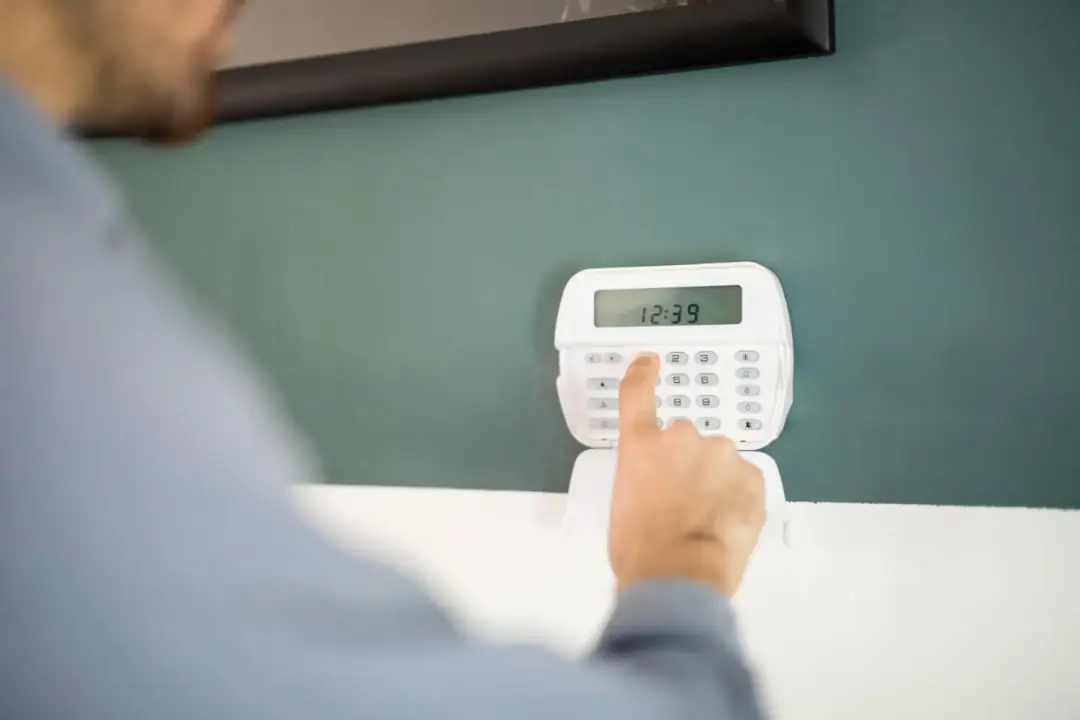
An Ajax installation may offer a Night Mode that arms selected devices. For example, a household might want selected opening contacts active overnight while allowing people and pets to move through the hall. Agree the protected openings and the rooms you intend to use before the installer configures the mode. Ask them to explain how the home and away settings differ using the names you will see in the app or at the keypad.
Think about exceptions such as guests using a downstairs bathroom or a pet being shut in a different room overnight. If a setting constantly needs a workaround, discuss a more practical layout before accepting it. Anyone who regularly sets the alarm should be able to explain which setting they need and see whether it has armed.
Test it under normal conditions
Ask for a demonstration that checks detectors and notifications, then agree how to trial the setup with pets present. If the system is professionally monitored, arrange tests through the monitoring provider or installer first. Keep a note of the device name, the time and what was happening if an alert occurs. That gives the engineer something specific to investigate.
For a home in Doncaster, C Wilson CCTV can use a site survey to discuss sensor options and practical routes through the property. At handover, try setting and unsetting the alarm yourself. Make sure the names displayed on the keypad or phone are meaningful, particularly if two sensors are on different doors in the same room.
Make a plan for visitors and pet sitters
Show a regular pet sitter which rooms the animal can use and which alarm setting applies when they leave. If your system supports separate users, ask about issuing individual access so you can remove it when the arrangement ends. Keep the instructions short and use the actual names that appear on the controls. If your pet’s routine changes permanently, ask the installer to review the coverage before you change the alarm settings yourself.
Plan around your pet’s routine
Show your installer where your pets sleep, climb and roam. Agree which detectors and alarm modes you can use on an ordinary day, then try both modes before handover.